WORK
I’ve selected a few projects that reflect how I work at the intersection of movements and institutions to support long-term systemic change. The storytellers I work with are courageous individuals who share perpectives that can shift narratives. My intention is to use film as a lever, a bridge and a catalyst, to braid together communities, lawyers, policymakers and media, to build a kinder, healthier, and more beautiful society - one in which everyone has what they need to live a decent life.
An Unsettling Force is an intimate, on-the-ground portrait of the rebirth of the Poor People’s Campaign, a multiracial movement to end poverty and heal the nation’s deep divides. Filmed over six years, it weaves together the voices of grassroots organizers, faith leaders, and everyday people who refuse to accept the status quo, capturing their courage, heartbreak, and hope. From kitchen-table meetings to mass rallies, the film offers a rare inside look at how movements are built—and why they matter now more than ever.
Fighting for a Living. I was commissioned by South Africa’s leading social justice law firm to create a 4-part documentary series that expands and deepens our understanding of how South African communities are demanding change, using the law. The films also showcase how a new generation of young human rights lawyers are drawing on South Africa’s strong tradition of public interest lawyering to keep the promise of our constitutional democracy.
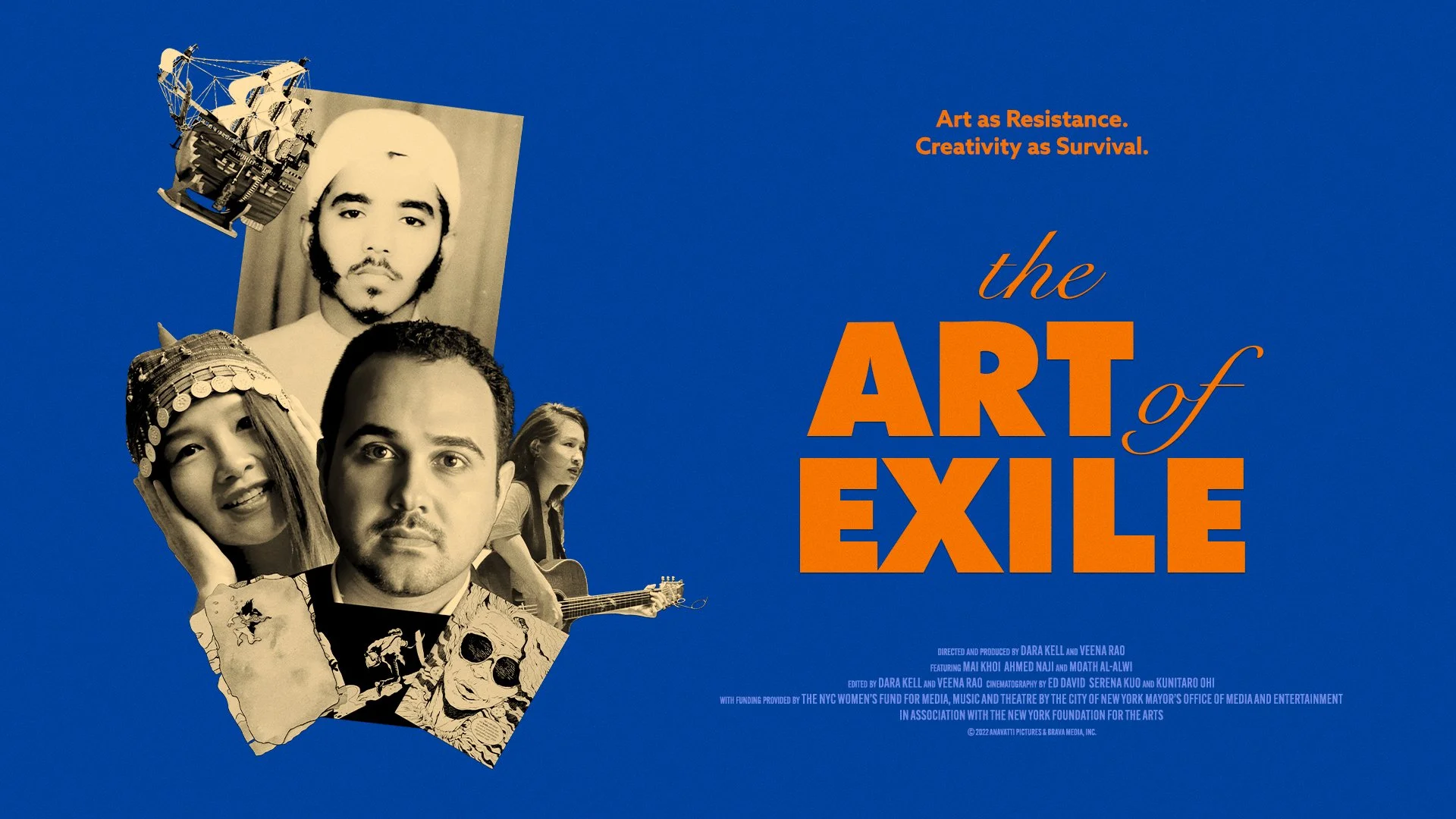
The Art of Exile film series, created in partnership with PEN America and the Artists at Risk Connection, showcases the resilience of exiled, censored, and imprisoned artists who use their creativity to resist oppression. Through intimate stories and powerful visuals, The Art of Exile celebrates the transformative power of art, featuring a sculptor from Yemen, an Egyptian novelist, and a Vietnamese pop star.
Recognition Is Survival is a short film created in partnership with the Ford Foundation that centers Afro-descendant peoples across Latin America and the Caribbean as essential stewards of some of the world’s most biodiverse territories. Through a chorus of voices, the film shows how centuries of land stewardship coexist with ongoing invisibility, untitled territories, and growing climate risk. It follows Afro-descendant leaders organizing across borders to demand legal recognition, land rights, and a seat at the table in climate decision-making—making clear that recognition is not symbolic, but foundational to climate justice and collective survival.
Dear Mandela follows a new generation of housing activists as they confront the state over the meaning of democracy, dignity, and the right to the city. Filmed over several years and grounded in rare access to grassroots organizers, the film traces how ordinary people learn to wield power—through law, protest, and collective imagination. Since its release, Dear Mandela has won multiple awards, and been used internationally in universities, activist spaces, and public forums as a tool for thinking about social movements, housing justice, and the unfinished work of post-apartheid democracy.